
Conservation Framing In Houston
How to Protect Artwork, Photos, and Documents
When most people think about custom framing, they focus on how the finished piece will look—the frame style, mat color, and how it fits the room. But for artwork, photographs, documents, and keepsakes, protection matters just as much as presentation.
That is where conservation framing comes in.
Conservation framing uses archival-quality materials and professional framing techniques to help protect pieces from long-term damage. In Houston, where heat, humidity, and strong sunlight can affect delicate materials, conservation framing is especially important for preserving artwork over time.
This approach often includes acid-free matting and backing, UV-protective glass or acrylic, proper spacing, and reversible mounting methods. Together, these elements help reduce fading, yellowing, brittleness, warping, and other forms of deterioration.
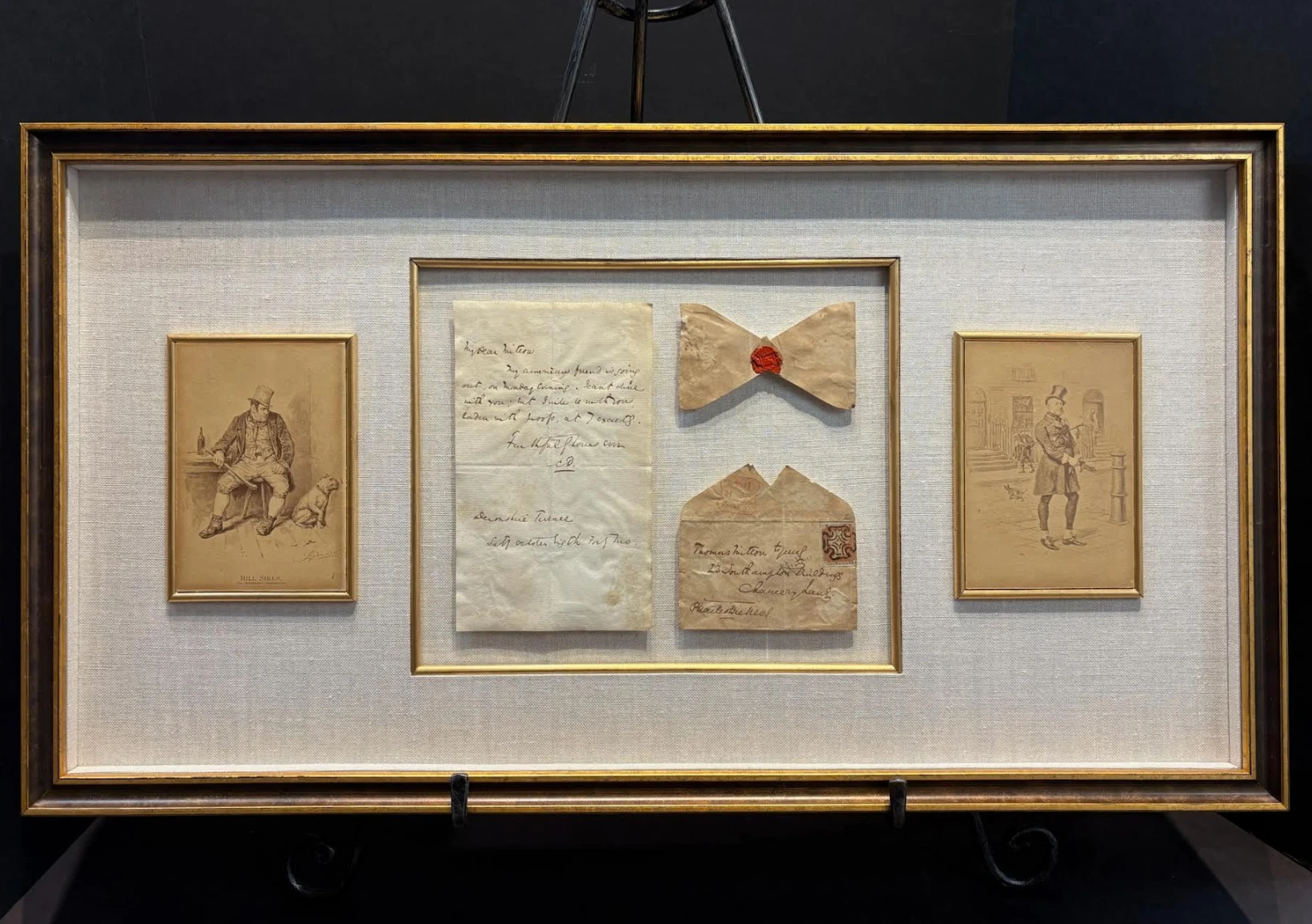
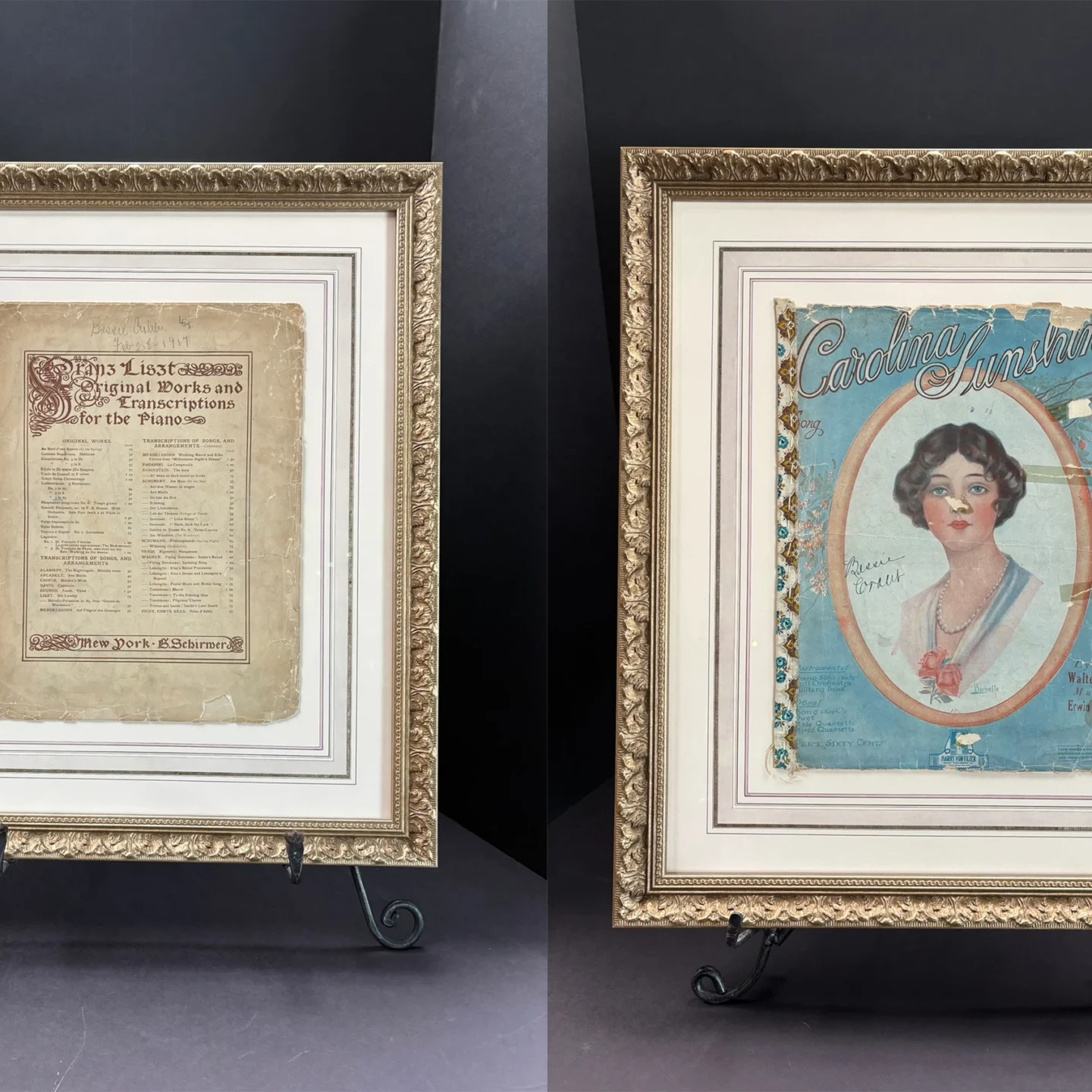
Conservation framing is a smart choice for original artwork, fine art prints, family photos, certificates, historical documents, memorabilia, textiles, and other meaningful items you want to display while keeping them protected.
Why Conservation Framing Matters
Artwork and paper-based materials are more fragile than they may seem. Even indoors, they are constantly exposed to light, temperature changes, humidity, and materials inside the frame itself.
Over time, UV light can fade inks and pigments. Acidic matboard or backing materials can cause paper to yellow and become brittle. Heat and humidity can contribute to warping, mold, adhesive failure, and general material breakdown.
These problems usually happen slowly, but once the damage appears, it is often permanent.
Conservation framing helps reduce these risks by creating a more stable, protective environment around the piece. The goal is not just to make the artwork look good today, but to help preserve it for years to come.
Acid-Free and Archival Materials
Acid-free matting is one of the most common features of conservation framing, but true conservation framing goes beyond the matboard.
Standard paper, cardboard, and some adhesives can contain acids that gradually break down and transfer into the artwork. This can speed up yellowing, staining, and brittleness.
Archival framing uses chemically stable materials throughout the framing package, including matboards, backing boards, and mounting materials. These materials are designed to protect the artwork instead of contributing to its deterioration.
In Houston’s climate, where heat and humidity can accelerate material breakdown, choosing archival-quality materials is especially important.
UV-Protective Glazing
Light exposure is one of the biggest causes of fading and discoloration. Even normal indoor lighting can affect artwork over time, especially pieces displayed near windows or in bright rooms.
Conservation framing often includes UV-protective glass or acrylic designed to block most harmful ultraviolet rays while still allowing the artwork to remain clear and visible.
UV protection is not a complete substitute for careful placement, so it is still best to avoid hanging valuable artwork in direct sunlight. However, UV-protective glazing can significantly reduce the risk of fading and light-related damage.
Some glazing options can also reduce glare and reflections, improving visibility while maintaining protection.
Proper Spacing and Matting
Matting does more than improve the appearance of a framed piece. It also creates space between the artwork and the glass or acrylic.
That space is important. When artwork touches the glazing directly, moisture, pressure, or static can cause sticking, pigment transfer, or surface damage.
A properly designed mat or spacer system keeps the artwork safely separated from the glazing while also adding depth and visual balance. Depending on the piece, conservation framing may include traditional matting, float mounting, layered mats, or custom spacers.
Reversible Mounting Methods
One of the most important principles of conservation framing is reversibility. That means the artwork should be mounted in a way that allows it to be removed later without damage.
This is especially important for valuable, sentimental, historic, or delicate pieces that may need restoration, reframing, or inspection in the future.
Common conservation mounting methods include archival hinging with Japanese paper and conservation-grade adhesives. For textiles, stitching methods are often used instead of glue, allowing the item to be removed later without permanent alteration.
Sealed Framing Packages
Dust, insects, moisture, and environmental changes can all affect framed artwork over time.
Conservation framing may include sealing the back of the frame to help reduce exposure to outside elements. While no frame can completely isolate artwork from its environment, a properly sealed framing package can help create a more stable internal space.
This added layer of protection is especially helpful for pieces displayed long-term.
Custom Solutions for Different Types of Artwork
Not every piece needs the same framing approach. A modern print may have different needs than a historical document, textile, photograph, or three-dimensional object.
A professional conservation framing plan should consider the item’s material, age, condition, value, and display location.
Some pieces may require shadow boxes, float mounts, custom spacers, or mechanical mounting systems. For example, a ceramic object or dimensional keepsake may be secured without adhesives, helping preserve its original condition while keeping it stable inside the frame.
Framing with Long-Term Preservation in Mind
Custom framing is about more than choosing a beautiful frame. It also affects how well your artwork, photos, documents, and keepsakes hold up over time.
Conservation framing combines thoughtful design with archival materials and proven preservation techniques. When done properly, it helps protect meaningful pieces from fading, discoloration, warping, and other long-term damage.
For Houston homeowners, collectors, artists, and families, conservation framing offers a practical way to enjoy important pieces now while helping preserve them for the future.
Interested in conserving your precious artwork or memorabilia? Contact us at Hollywood Frame Gallery!